Overview:
Our Druskininkai Spa Break package "Long Weekend" offers a wide range of relaxing spa treatments at Hotel Spa Vilnius Druskininkai 4*. The picturesque southern region of Lithuania where Druskininkai has been a spa destination for over 150 years, because of the mineral rich srpings and muds found in the area, it a much desired destination for a recreational break.
Holiday price is from £ 995 per person based on availability and two people sharing a standard double or twin room. Single supplement upon request.
| Dates | Departure | Return |
| All year | UK | Kauna or Vilnius |
Tour Itinerary:
Day 1: Arrival Druskininkai, Lithuania
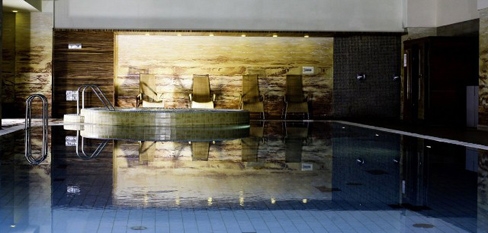
Upon arrival in Kaunas or Vilnius airport, you will be met by our driver and transferred to Druskininkai for your 3 nights' stay at the Hotel Spa Vilnius Druskininkai 4*. Depending on your arrival time, enjoy a visit to the swimming pool and sauna complex which includes a mineral water of average mineralization, Turkish bath, sauna, infrared sauna, reflector feet therapy of bioactive points, circular shower, cold water pool and a whirlpool bath.
Dinner at the hotel.
Day 2 & 3: Relax in Druskinikai
Brekafast at the spa hotel. Doctor’s consultation and enjoy the spa treatments included in your package.
4 treatments per day:
- 1st treatment: massage 30 min. (SPA VILNIUS classic / Sonata of the Sun / Amber Road / Swedish shoulders girdle / Chinese feet / Shiatsu feet
- 2nd treatment: bath 15 min. (amber / mineral / Vilnius / Resistance / Salty / Strength / green tea / goat’s milk with forest berries / pine needle
- 3rd treatment: movement therapy 20/30 min. (morning exercise / exercise at pool / with Tai Chi elements
- 4th treatment: mineral water treatment course by doctor's recommendation
You can also take a walk around the town or relax by the lake.
Dinner at the hotel.
Day 4: Departure from Druskininkai
Breakfast at the hotel. If time permits, enjoy more of what Hotel Spa Vilnius Druskininkai has to offer before your transfer back to Vilnius Airport for your return flight.
Package Includes:
- Direct flights from London to Kaunas or Vilnius (we can arrange flights from other airports upon request)
- 1 piece of check-in luggage per traveler (up to 20 kg)
- Private airport transfers to and from Druskinkai
- 3 nights’ accommodation in the 4* Hotel Spa Vilnius Druskininkai, incl.:
- Half-board during your stay
- Daily visit to the mineral water swimming pool & sauna‘s complex & gym
- Physical medicine & rehabilitation physician‘s consultation to appoint treatments
- 4 treatments per day:
- - 1st treatment: massage 30 min. (SPA VILNIUS classic / Sonata of the Sun / Amber Road / Swedish shoulders girdle / Chinese feet / Shiatsu feet
- - 2nd treatment: bath 15 min. (amber / mineral / Vilnius / Resistance / Salty / Strength / green tea / goat’s milk with forest berries / pine needle
- - 3rd treatment: movement therapy 20/30 min. (morning exercise / exercise at pool / with Tai Chi elements
- - 4th treatment: mineral water treatment course by doctor's recommendation
- All taxes excpet for a local fee 1 Eur per person per night for using Druskininkai infrastructure is not included in the price
Enquire now »
This map uses Google Maps, so you can zoom and interact with it as we hope it is familiar to you.
For a larger version of this map which opens in a new window, click here
The lines shown give you an indication of our destinations and are not the exact route used.
You'll see...
Car Rental
You can rent a car, as long as you have a valid EU or international driver's license. Most cars will have manual transmission.
Transportation
Railway mostly serves domestic routes and is used as an easy and quick way to get from the capital to major cities of the country. There are some international routes, like to Moscow and St. Petersburg, but time spent on the way will be quite long.
Buses are one of the most convenient ways to travel between the Baltic States. Eurolines will get you between Riga, Vilnius and Tallinn. One way tickets will cost £ 15 - £ 20 and approximate travel time is 5 hours between the cities. Ticket reservations in advance are recommended.
Taxis are the quickest and most convenient way of travelling round the city. You'll find them located close to the main hotels. Usually it's quite easy to catch a taxi on the street, however, it's much better and safer to order one by phone. Taxi costs in all of the Baltic countries and Poland are approximately the same and a ride in the centre of the city will cost you approx £ 5 - £ 7. Taxis in Finland and Russia are considerably more expensive. It is always a good idea to get your hotel to book a taxi for you and ask approximately how much the trip will cost before you get in.
We would not recommend you to take public transportation within the city, as it's usually crowded and it may cause you unnecessary anxiety about where to stop.